Sonji Roi: Untold Story of Muhammad Ali’s First Wife & Her Hidden Life
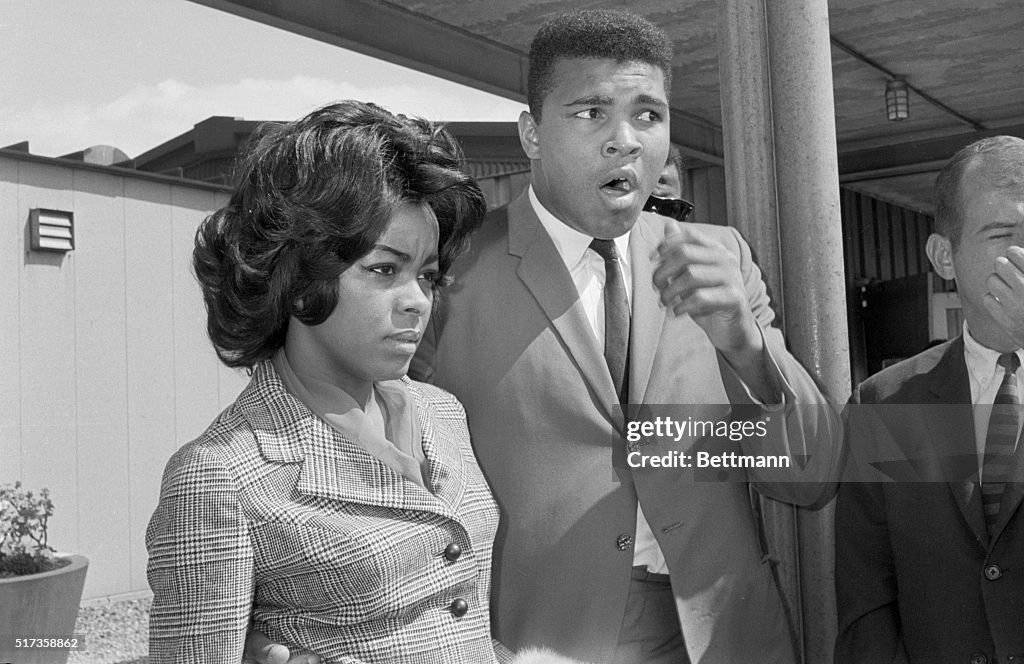
Sonji Roi remains one of the most overlooked yet significant figures in the early personal life of boxing legend Muhammad Ali. While Ali’s global fame is widely documented, the story of his first wife is often reduced to a brief mention in biographies. Yet her life reflects deeper themes of identity, cultural conflict, fame pressure, and personal independence during one of the most transformative eras in American sports history.
Sonji Roi was not just “Muhammad Ali’s first wife.” She was an independent woman, a former model and nightclub hostess, who entered a relationship with a rising boxing star at a time when both were still defining their identities. Their marriage, though short-lived, became a symbolic turning point in Ali’s early career and personal beliefs.
This article explores her life in depth—her background, her relationship with Ali, their marriage struggles, and what happened after their separation. It also highlights how her story connects to broader cultural shifts in the 1960s, especially around race, religion, and gender expectations.
Who Was Sonji Roi?
Sonji Roi was an American model and entertainer who became publicly known due to her marriage to Muhammad Ali. Unlike many celebrity spouses of her time, she maintained a private yet independent identity before and after her marriage. She worked in modeling and was associated with nightlife entertainment in Chicago during the late 1950s and early 1960s.
At the time she met Ali—then still known as Cassius Clay—she was already accustomed to a lifestyle connected to urban entertainment culture. Her personality was described by many sources as expressive, confident, and socially outgoing, which later became a point of tension in her marriage.
Despite her association with a global sports figure, Sonji Roi herself never actively pursued long-term media attention. This decision contributed to the limited historical documentation of her life, making her story more fragmented in public records.
Early Life and Background
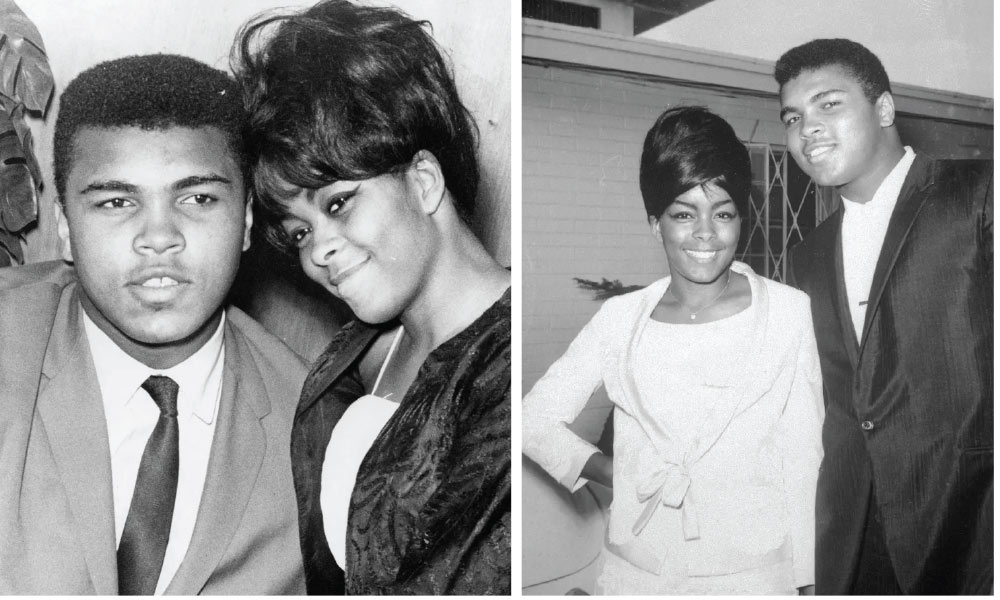
Sonji Roi’s early life remains partially undocumented, but available accounts suggest she was born in the United States and raised during a period of rapid cultural transformation. Like many African-American women of her generation, she navigated a society marked by both opportunity and social restriction.
Before meeting Muhammad Ali, she worked in modeling and nightclub hosting, which were common entry points into entertainment-related careers for women in major U.S. cities during the 1950s. These roles placed her in social environments where athletes, musicians, and entertainers frequently interacted.
Her early environment shaped her independence and social confidence. Unlike traditional expectations placed on women at the time, Sonji Roi was already living a relatively self-directed lifestyle. This independence would later become one of the central points of conflict in her marriage.
Relationship with Muhammad Ali
The relationship between Sonji Roi and Muhammad Ali began in the early 1960s when Ali was rapidly rising in professional boxing. At that stage, he had already won an Olympic gold medal and was building a reputation as one of the most promising heavyweight fighters.
Their connection developed quickly. Ali was drawn to her confidence and individuality, while Sonji was attracted to his ambition and charisma. However, their relationship also began during a period when Ali was increasingly influenced by religious and cultural transformation, particularly his association with the Nation of Islam.
This ideological shift introduced early friction. The expectations placed on Sonji Roi to conform to new religious and cultural standards created tension. Her personal style, lifestyle choices, and independence were often viewed as incompatible with the evolving identity Ali was adopting.
Marriage Between Sonji Roi and Muhammad Ali
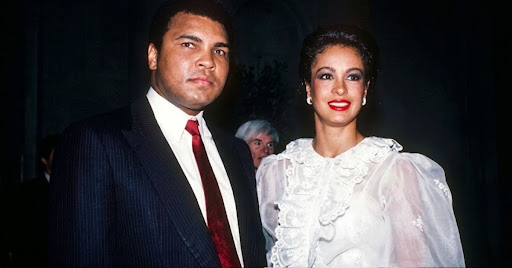
Sonji Roi married Muhammad Ali in 1964, shortly after he became world heavyweight boxing champion. Their marriage took place during one of the most dramatic phases of Ali’s life—his rise to global fame and his conversion to Islam.
The marriage initially attracted public attention due to Ali’s rising celebrity status. However, behind the public image, the relationship faced immediate challenges. Sonji Roi reportedly struggled with the strict expectations imposed on her regarding dress, behavior, and lifestyle.
Ali, influenced by his religious beliefs and community expectations, encouraged her to adopt a more conservative and structured lifestyle. This included changes in clothing style and social behavior, which created emotional distance between them.
Despite attempts to maintain the marriage, differences in personality, worldview, and lifestyle grew stronger over time. Their union lasted only a short period before reaching an irreversible breakdown.
Divorce and Reasons Behind Separation
The divorce between Sonji Roi and Muhammad Ali was finalized in 1966. The separation became a widely discussed topic in sports and entertainment media at the time.
Several key factors contributed to their divorce:
- Cultural and religious differences: Ali’s evolving beliefs created strict expectations that conflicted with Sonji Roi’s independence.
- Lifestyle incompatibility: Sonji preferred a more open social lifestyle, while Ali’s environment became increasingly disciplined.
- Communication breakdown: Their personal differences led to emotional distance and lack of mutual understanding.
- Public pressure: The attention surrounding Ali’s fame added stress to their private relationship.
While public narratives often simplified the divorce, it reflected deeper societal tensions of the 1960s—especially around gender roles, identity transformation, and cultural expectations within marriage.
Life After Divorce
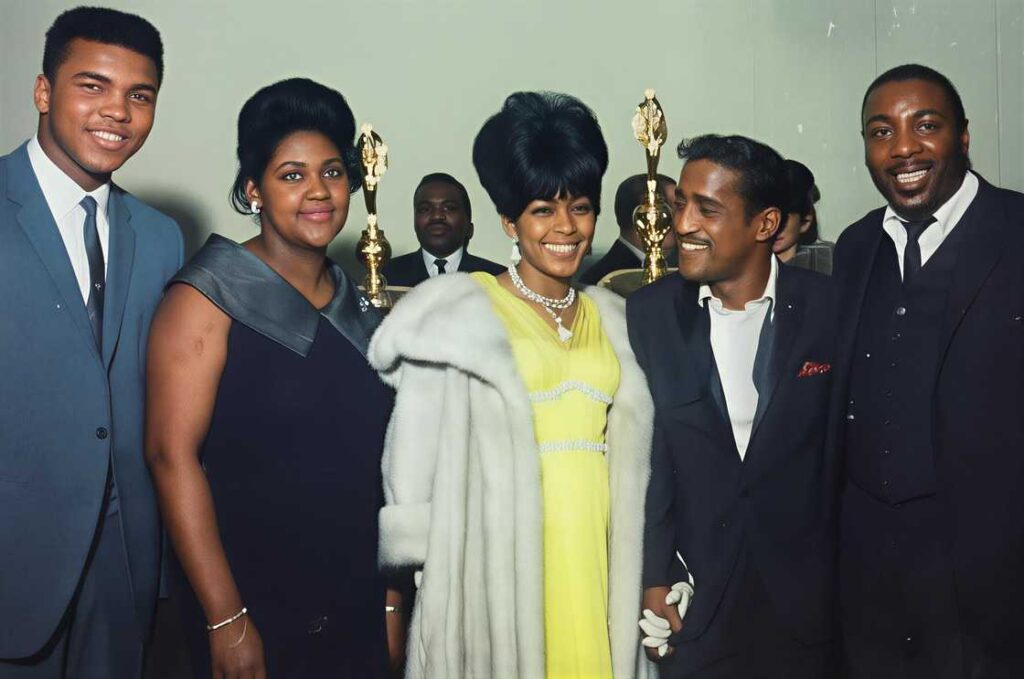
After separating from Muhammad Ali, Sonji Roi withdrew from the public spotlight. Unlike many celebrity ex-spouses, she did not pursue media attention or public commentary about her marriage.
Her post-divorce life remained largely private. She is believed to have continued living in the United States, away from the intense media scrutiny that surrounded Ali. This decision contributed to her long-term anonymity in mainstream historical accounts.
Meanwhile, Ali went on to remarry and continue his legendary boxing career, becoming one of the most influential athletes in history. Sonji Roi, however, remained a quieter figure whose story faded from public memory despite her connection to a global icon.
Public Perception and Media Representation
During the 1960s, media coverage of Sonji Roi was heavily influenced by her association with Muhammad Ali. She was often portrayed in simplified terms as “Ali’s first wife,” without deeper exploration of her personal identity.
This limited representation reflects broader media patterns of the time, where women connected to male celebrities were rarely given independent narratives. As a result, Sonji Roi’s individuality was often overshadowed by Ali’s rising fame.
Modern biographical analysis has begun to revisit her role, highlighting how her story reflects gender expectations, cultural transitions, and the pressures faced by women in high-profile relationships.
Legacy and Cultural Impact

Although Sonji Roi did not remain in the public eye, her story holds cultural significance. Her marriage to Muhammad Ali occurred during a transformative period in American history, marked by civil rights movements and changing social norms.
Her experience highlights several important themes:
- The tension between personal identity and public expectation
- The evolving role of women in mid-20th-century America
- The influence of religion and culture on relationships
- The emotional cost of fame-driven lifestyles
In many ways, Sonji Roi represents the untold perspective behind celebrity narratives—where personal lives are often reduced to brief historical footnotes.
Comparison: Sonji Roi and Muhammad Ali’s Other Wives
| Name | Relationship Type | Public Role | Duration |
|---|---|---|---|
| Sonji Roi | First wife | Private, low public exposure | 1964–1966 |
| Khalilah Ali | Second wife | More public presence | 1967–1976 |
| Veronica Porché Ali | Third wife | Occasional media presence | 1977–1986 |
This comparison shows how Sonji Roi’s relationship with Ali was the earliest and least publicly documented, yet it played a foundational role in his personal evolution.
Lesser-Known Facts About Sonji Roi
- She was one of the earliest partners of Muhammad Ali during his championship rise.
- She resisted some cultural and lifestyle expectations imposed during her marriage.
- She avoided media interviews after her divorce.
- Her story is rarely included in mainstream sports biographies.
- She represents one of the earliest examples of “hidden spouses” in celebrity history.
Frequently Asked Questions (FAQ)
1. Who was Sonji Roi?
Sonji Roi was the first wife of Muhammad Ali. She was a model and entertainer who gained public attention through her marriage to the boxing legend.
2. When did Sonji Roi marry Muhammad Ali?
She married Muhammad Ali in 1964 during the early peak of his boxing career.
3. Why did Sonji Roi and Muhammad Ali divorce?
Their marriage ended due to cultural differences, lifestyle incompatibility, and personal disagreements influenced by religious and social changes.
4. Did Sonji Roi remarry after divorce?
There is limited public information about her later personal life, as she chose to remain private.
5. What was Sonji Roi’s profession?
She worked as a model and nightclub hostess before and during the early stages of her public recognition.
6. How long did the marriage last?
Their marriage lasted approximately two years, from 1964 to 1966.
7. Why is Sonji Roi not well documented?
She avoided media exposure after her divorce, which limited historical and public documentation of her life.